


The Ukrainian Armed Forces’ communications directorate
The General Directorate of Public Communications of the Armed Forces of Ukraine connects soldiers with domestic and international journalists and oversees a military Media Center. For Ostrej Úhel, it explained where to find air raid alerts and reports from cities under attack.
It also shares experience gained during the war with European partners. In April 2026 it organised training over several days with Norwegian colleagues for military communications teams. Personnel from regiments, brigades and corps covered crisis communications, media relations and international humanitarian law. According to the Ukrainian Armed Forces’ account, Norwegian participants were particularly interested in verifying information and deciding what could be released without endangering people.
Reaching audiences outside Ukraine is part of this work. The directorate advertises specialist roles in international media relations and English-language social media. Daily summaries on the defence of the skies are compiled by the Ukrainian Air Force.
Kryštof Peterka asks the questions. The General Directorate of Public Communications of the Armed Forces of Ukraine answers.
Where is an air raid alert announced?
Official air raid alerts are published on the official Telegram channel of the Air Force at t.me/kpszsu.
Someone reading about an attack in the morning is learning about a night that has already passed. For a resident of the city under attack, the most valuable information may have arrived before the strike. In a separate interview with RBC-Ukraine, Air Force spokesperson Yurii Ihnat explained the importance of even a few extra minutes to reach shelter.
Ukraine’s defence ministry sets out what to do in its guidance on the warning app: head to shelter when an air raid alert is issued and check the additional map once there. People do not need to understand the entire military situation before taking steps to protect themselves.
That has relevance in Czechia, too. Here, a wavering siren tone signals a general warning. The regular test uses a steady tone. According to the Czech fire and rescue service, an actual warning should be followed by information about the danger and what to do. Further instructions may come through municipal loudspeakers, radio and television broadcasts or the responsible authorities’ official online channels.
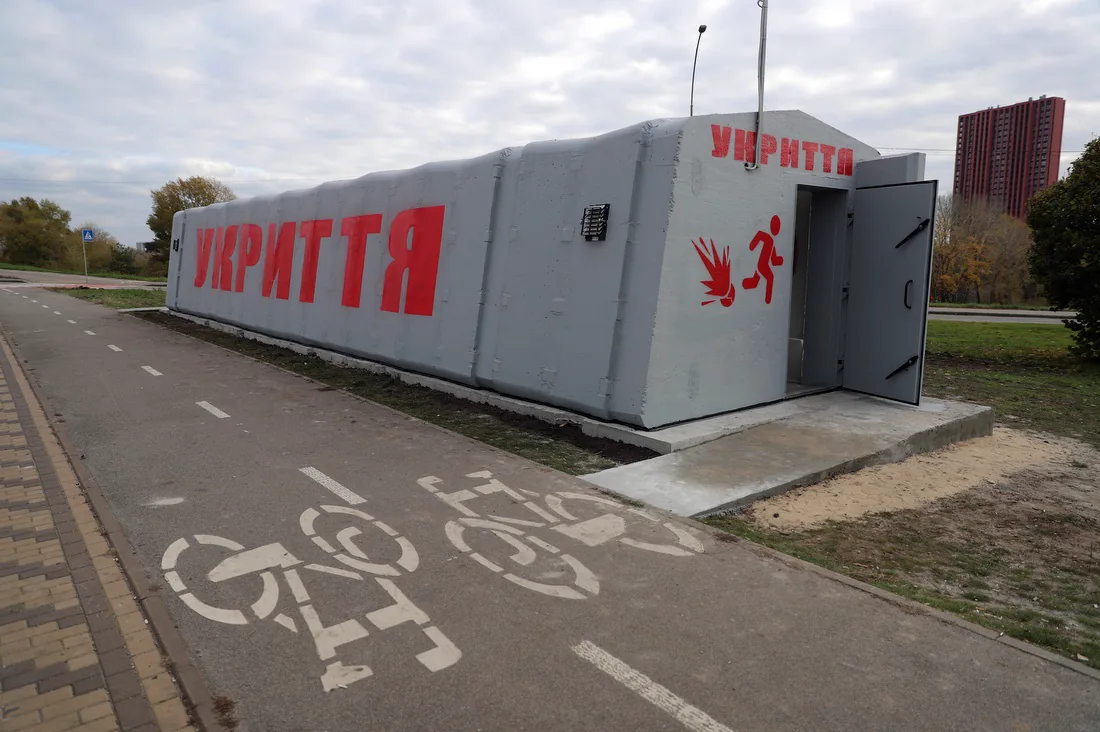
Where can readers find reports about an attack on a particular city?
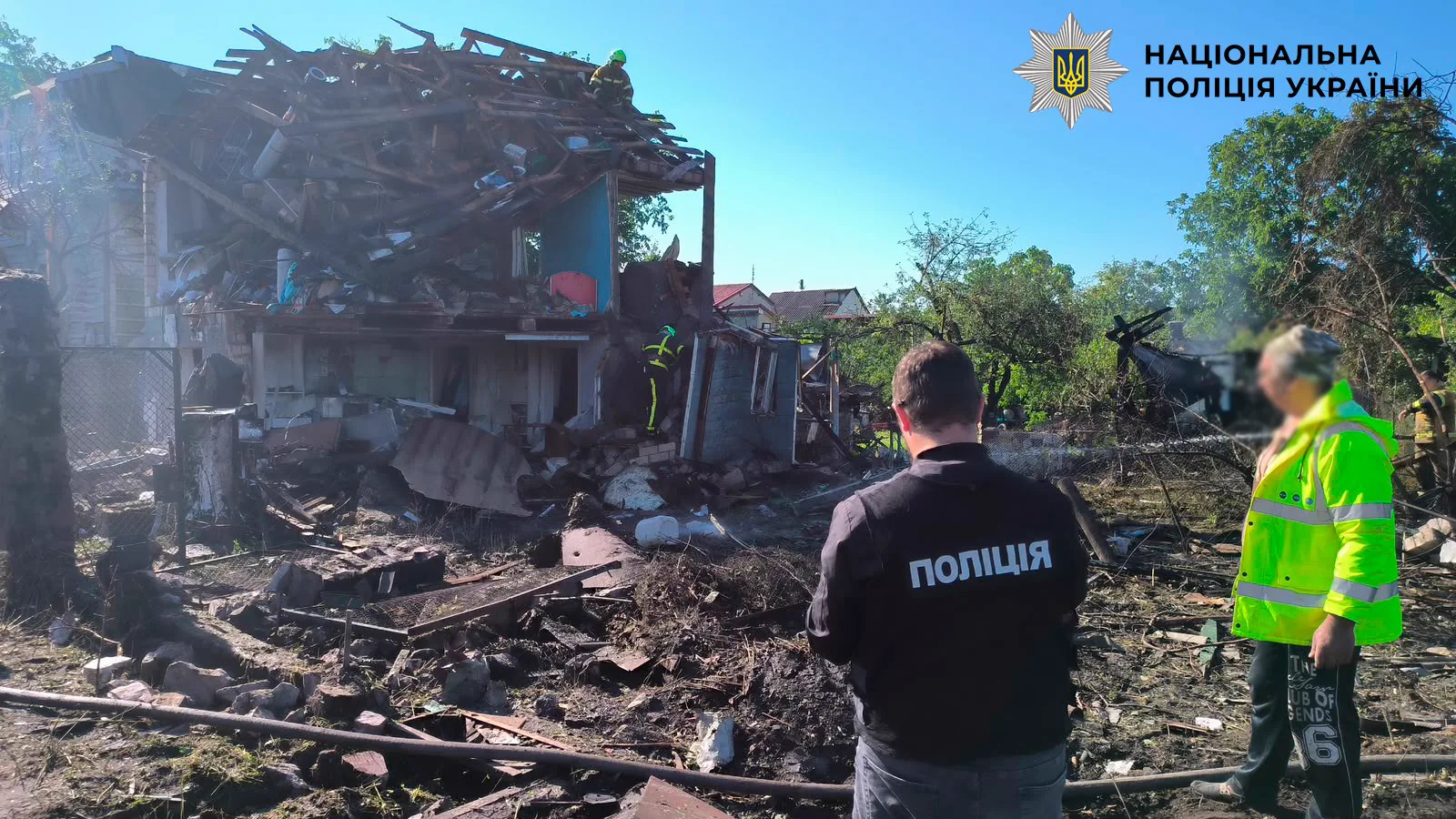
Official statements by the Air Force of the Armed Forces of Ukraine and the General Staff of the Armed Forces of Ukraine on social media pages provide general figures regarding the results of enemy air target engagement operations. Information on Russian air attacks on specific settlements may be published by military-civilian administrations, as well as by regional representatives of the State Emergency Service of Ukraine and the National Police of Ukraine.
The directorate referred us to the same authorities for information on civilian casualties. A national report describes the scale of an attack. Families with loved ones in an affected neighbourhood need to know what happened there: where rescue crews are working, what has been damaged and where help will be needed.
An attack can also affect people whose homes remain standing. In its October report, the UN Human Rights Monitoring Mission described damage to electricity and heating networks and, in some cities, interruptions to water supplies. Problems with water, electricity and heating can continue after the all-clear.
The protection of essential facilities is a current issue in Czechia. On 9 November 2026, the government approved a legislative proposal to strengthen powers to act against drones around energy and transport facilities. Ukraine’s experience adds a question anyone can ask: Who will tell me what to do if the services my household depends on stop working?
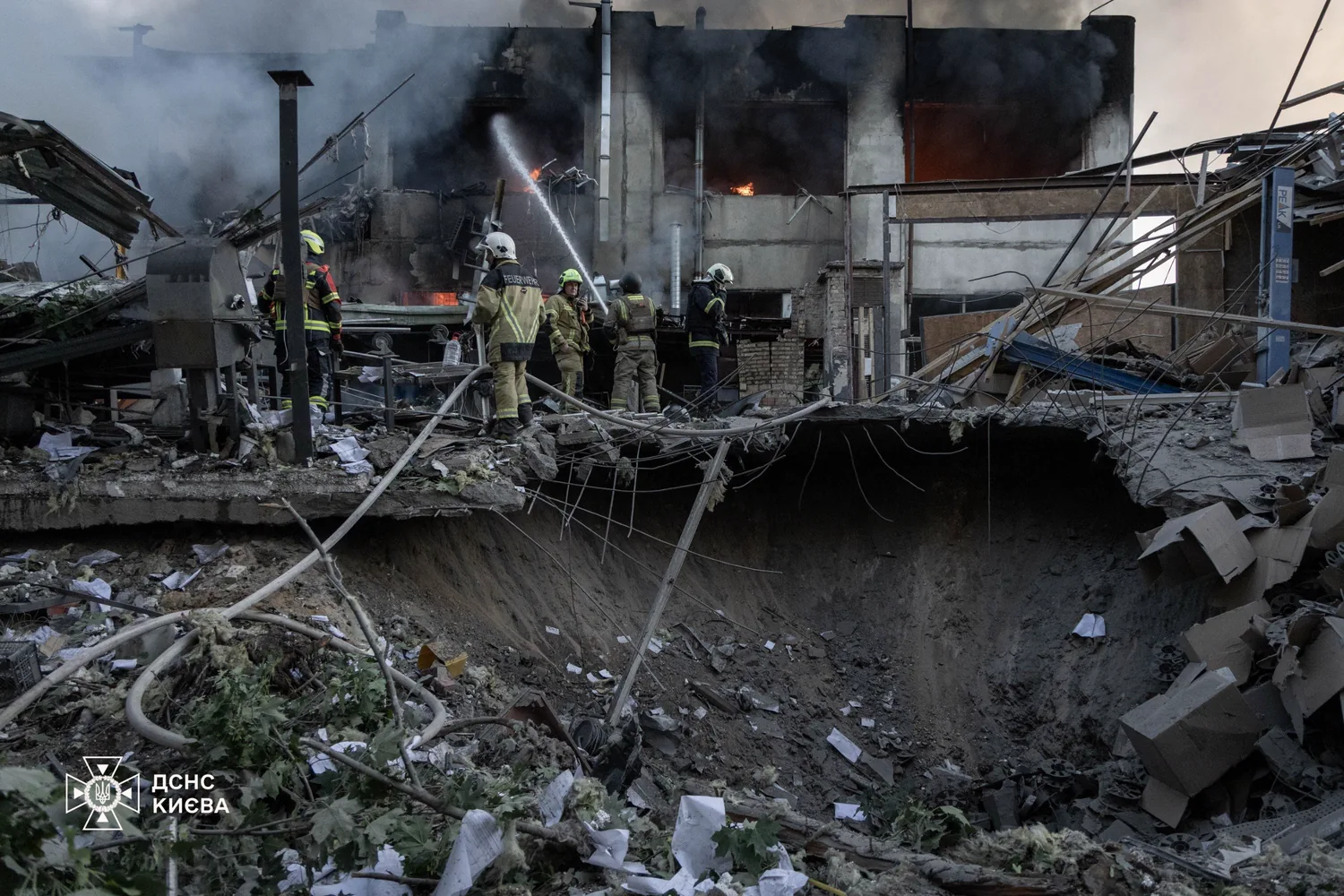
What does the military mean by “shot down or suppressed”?
In simple terms, this means that the enemy drone failed to accomplish its mission, meaning it lost control or crashed before it could strike or conduct reconnaissance.
Behind that wording are people working to prevent further strikes. Aviation and anti-aircraft units, electronic warfare specialists and mobile groups contribute to Ukraine’s air defence. Explaining why it shares their results with the widest possible audience, the communications directorate refers to “the challenging and superhuman work” of everyone involved in air defence.
Civilian protection also involves very ordinary needs. After a June attack, Kyiv’s metro operator described thousands of people in underground stations, including children. For a longer wait, it recommended warm clothes, a blanket or a sleeping mat. The opening photograph, taken during an alert in January, shows such a night in the metro. A shelter must allow people to wait out the time when they cannot return home.
What does it mean when a report is labelled preliminary?
This means that official information has been published by the “Air Force Command of the Armed Forces of Ukraine” on Facebook, which may be subsequently updated and supplemented.
For later updates, the directorate again pointed us to the Air Force’s official Facebook page. The first report may not be the last. As circumstances change, people need access to further instructions. The date and source of a forwarded message therefore matter.
The Czech CZ-Alert system, currently being developed, has a related task. According to the Czech fire and rescue service, it is intended to send messages about danger and recommended behaviour to phones within a specified area. The wording will matter: people need to understand how the message applies to them and what they should do now.
What an air raid alert can teach us in Czechia
In Czechia, sirens may warn of a flood, fire or industrial accident. The appropriate response depends on the hazard and the emergency services’ instructions. Our interview with Ukraine’s military is a reminder of the value of knowing in advance where to find those instructions.
It is worth checking how our municipality publishes emergency updates and agreeing at home where we will look for them. The Czech interior ministry’s 72 Hours guide also recommends a battery-powered radio as another source of information if electricity and internet access fail.
Further reading
- Gabrielius Landsbergis on NATO and Czech troops in Lithuania
- Belarus and Russian drones (in Czech)
- Czech defence spending and NATO (in Czech)
Sources and research
- Defence ministry, institutional listing of the directorate
- The communications directorate, working with journalists
- The directorate and Norwegian partners, joint courses in April 2026
- Current specialist recruitment by the communications directorate
- Official Air Force profile and its public channels
- Kyiv city administration, shelter in the metro on 15 June
- RBC-Ukraine, 26 October interview with Yurii Ihnat
- Ukraine’s defence ministry, the air raid alert app and shelter guidance
- UN Human Rights Monitoring Mission, civilian casualties and damage in October 2026
- Photo and city figures, Kyiv metro in the early hours of 20 January
- Photo, mobile shelter in Kyiv on 13 November
- Photo, emergency crews after the 2 June attack on Kyiv
- Photo, police documenting damage in Kyiv on 15 June
- Terms for reusing photographs The opening photograph was cropped.
- Czech fire and rescue service, warning signals and siren tests
- Czech interior ministry, shelter and information during outages
- Czech fire and rescue service, the planned CZ-Alert system
- Czech interior ministry, government approval of the counter-drone proposal on 9 November 2026
- Ukrainian Air Force, the units defending the skies